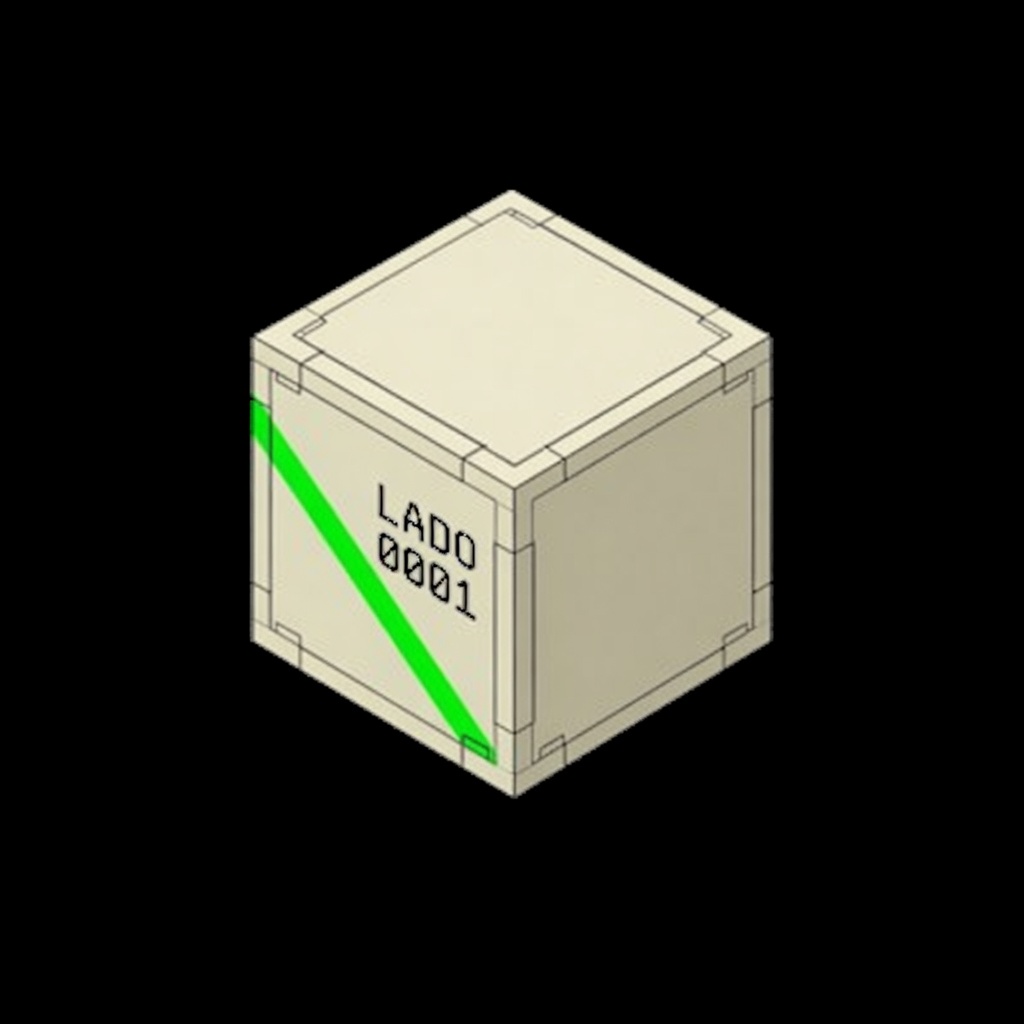
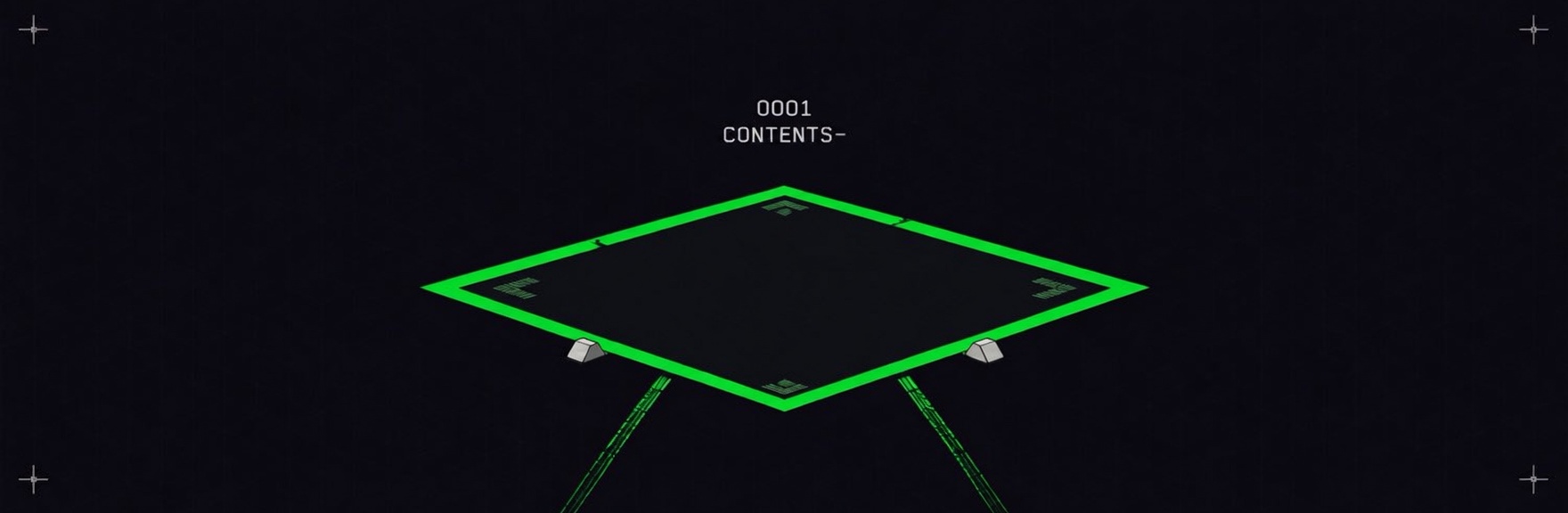
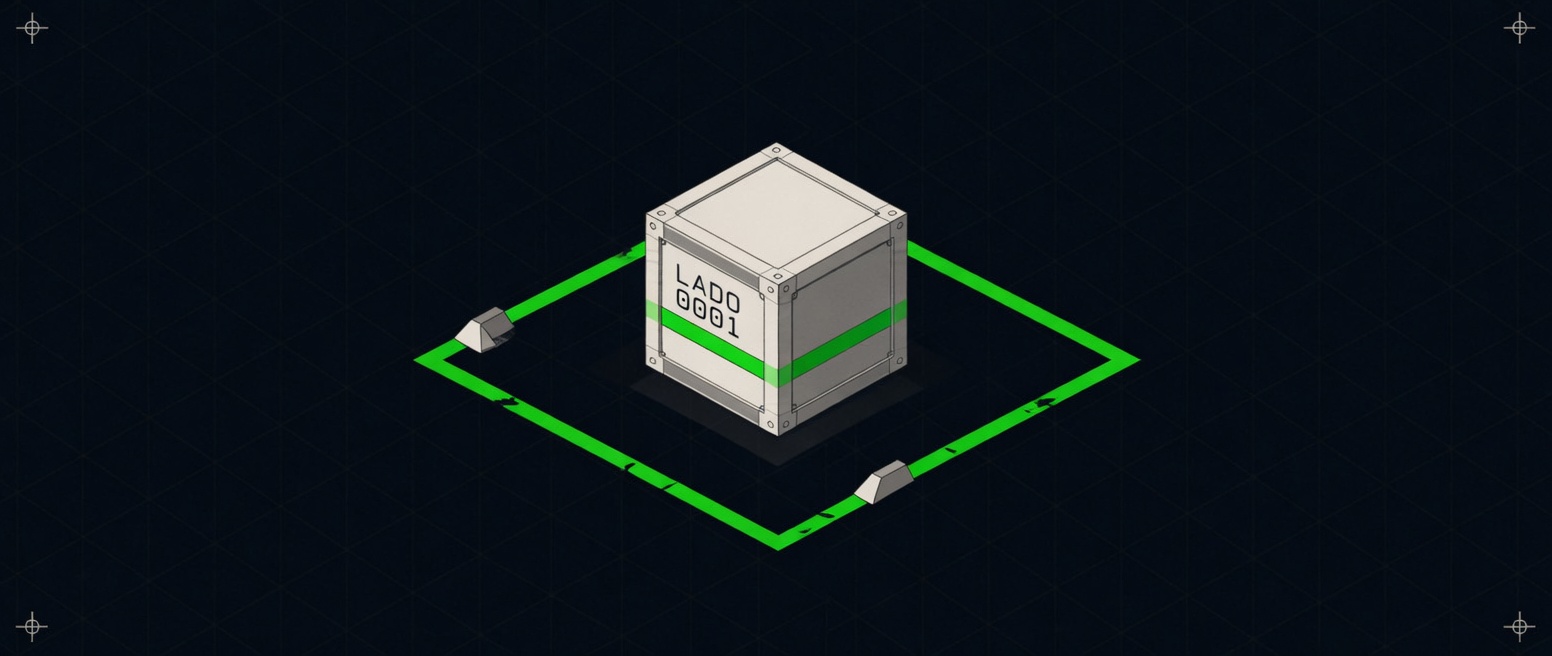
Fig · 01
Bay 0001 / 01
Each cycle is a numbered bay. Public size, private contents, an outline you can see from across the room.
A numbered lot of Robinhood market cargo. You see the size. You never see the contents until the bay clears. Bidding starts before that last line fills in.
— You know the size of the basket. You bid on the size, not the contents.
Price descends on a fixed schedule. The first buyer to take it ends the auction; everyone else who was in settles at the same clearing price. Native to the Robinhood ecosystem — one clock, one lot, one print.
Illustrative price schedule.
Waiting is not free.
Before bidding opens, a cryptographic commitment to the basket is written. When the bay opens, the disclosed contents must match that hash. The hood does not get a second draft.
— Everyone settles at the same price, whenever they entered.
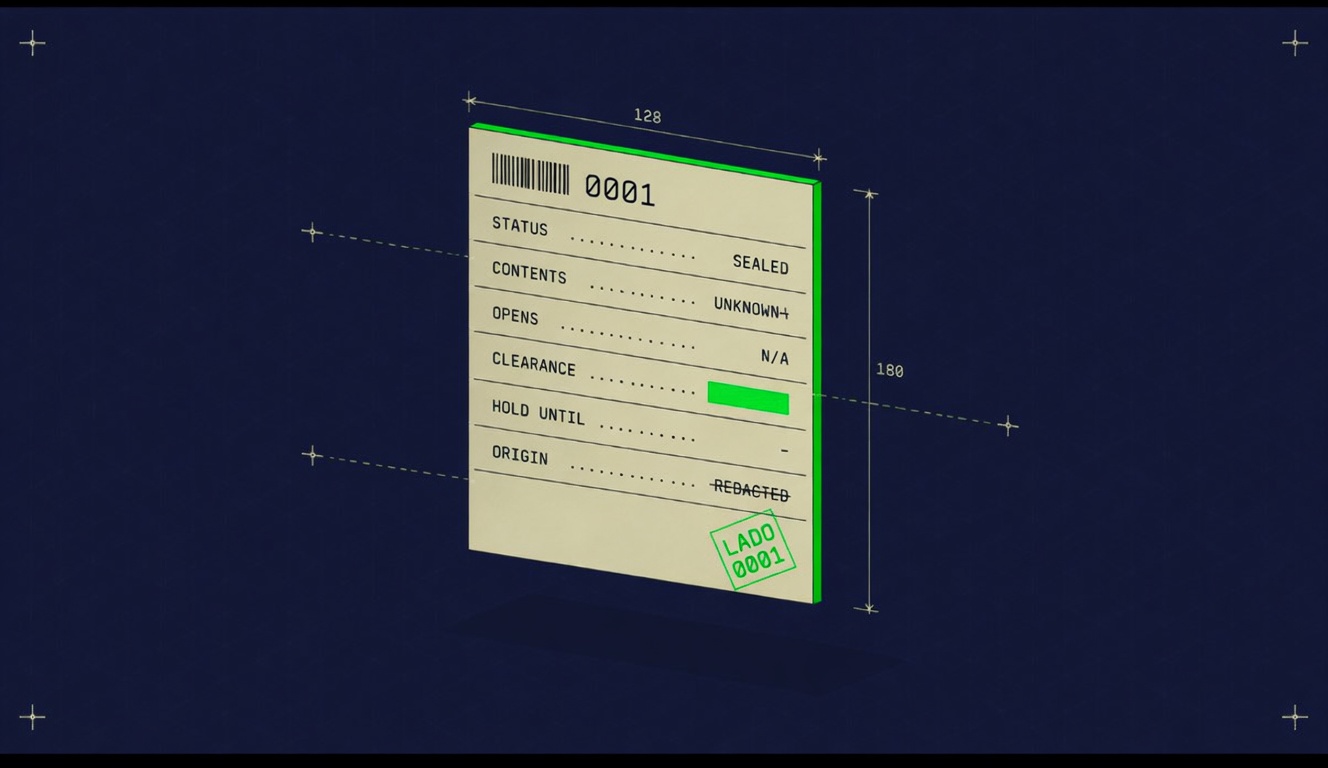
Fig · 03 · Manifest
A protocol without pictures leaves too much to imagination. Below, the language LADO uses for sealed cargo on the Robinhood ecosystem: crates, plates, manifests, and the routes between them.
Each cycle is a numbered bay. Public size, private contents, an outline you can see from across the room.
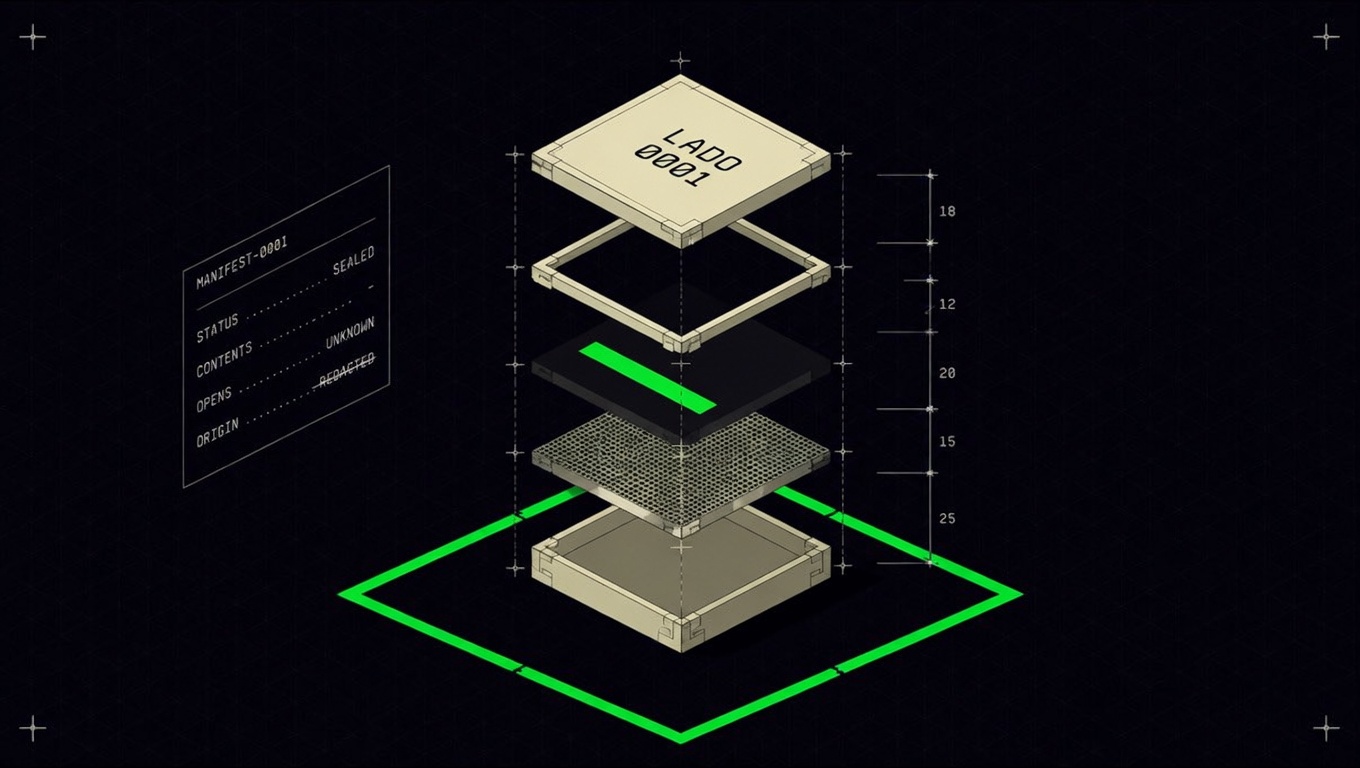
A bay is composed, then locked. The commitment hash is the seal that welds the layers into one lot.
Every bay ships with a manifest. Fields that can be public are public. Fields that cannot are struck through until reveal.
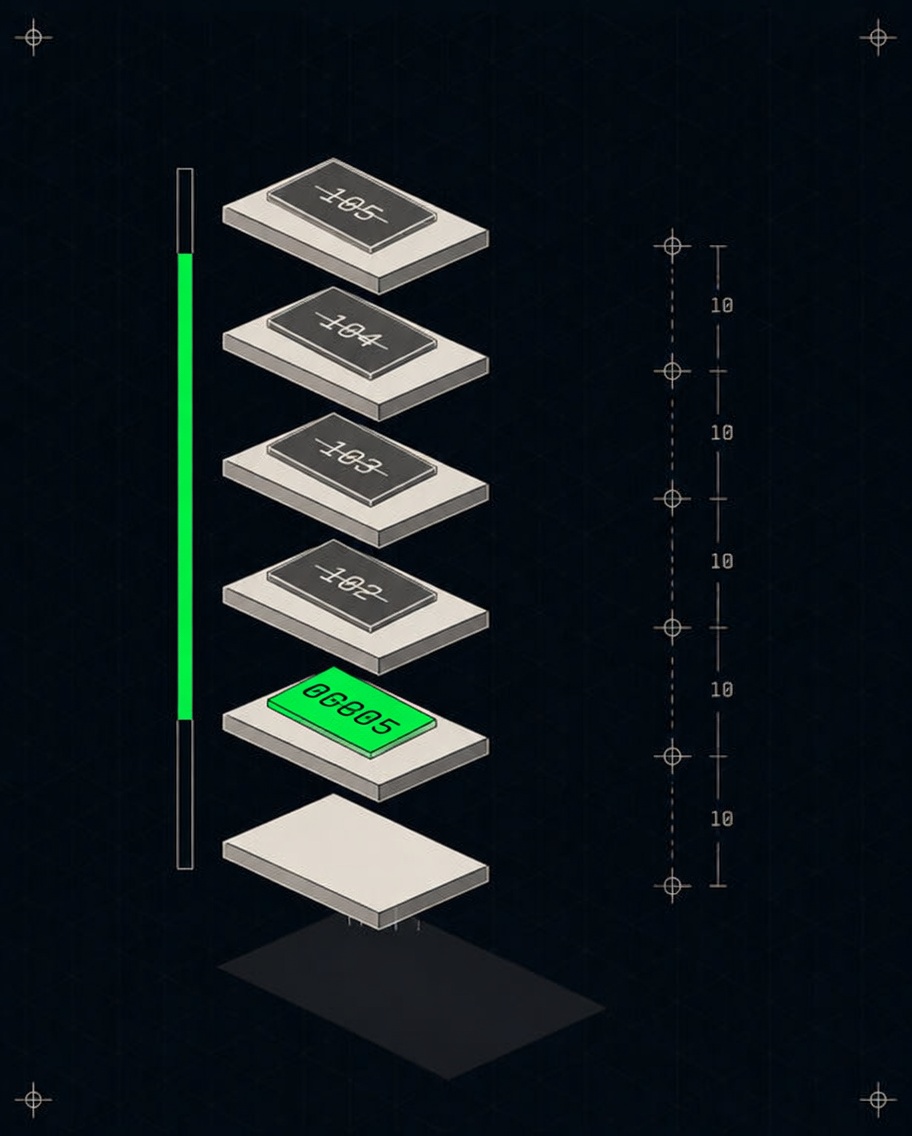
Descending price schedule. Each plate below the last is a lower clearing and a smaller chance of getting there first.
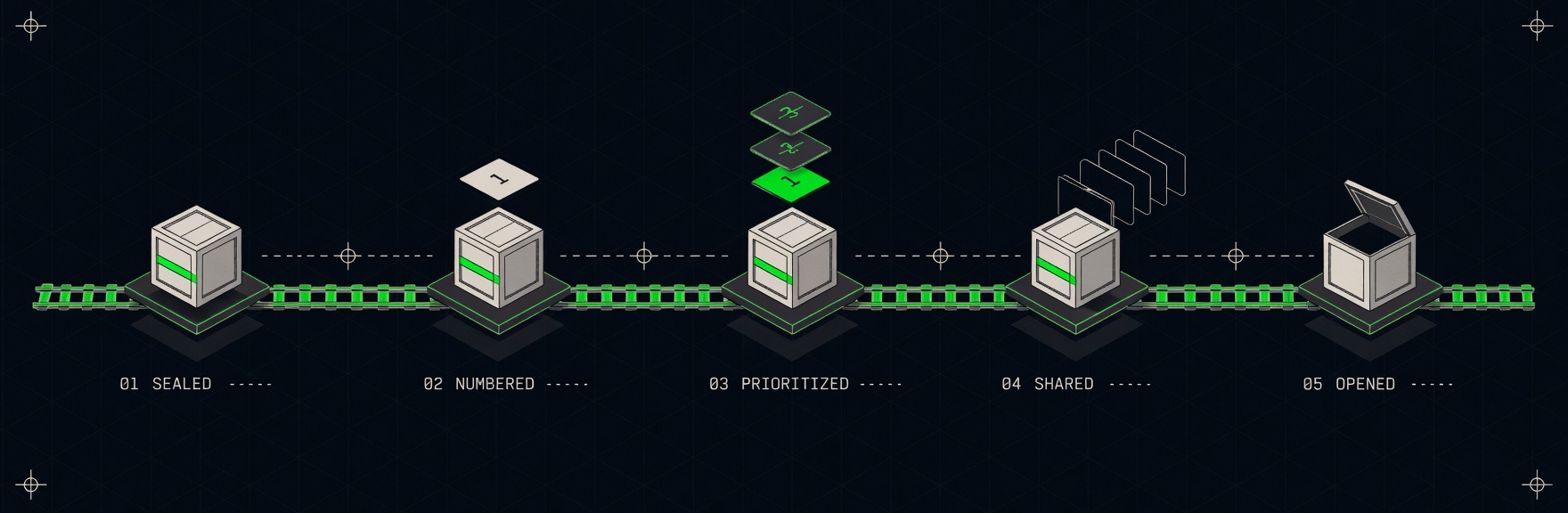
Sealed. Numbered. Prioritized. Shared. Opened. Five stages, one direction, no reversing.
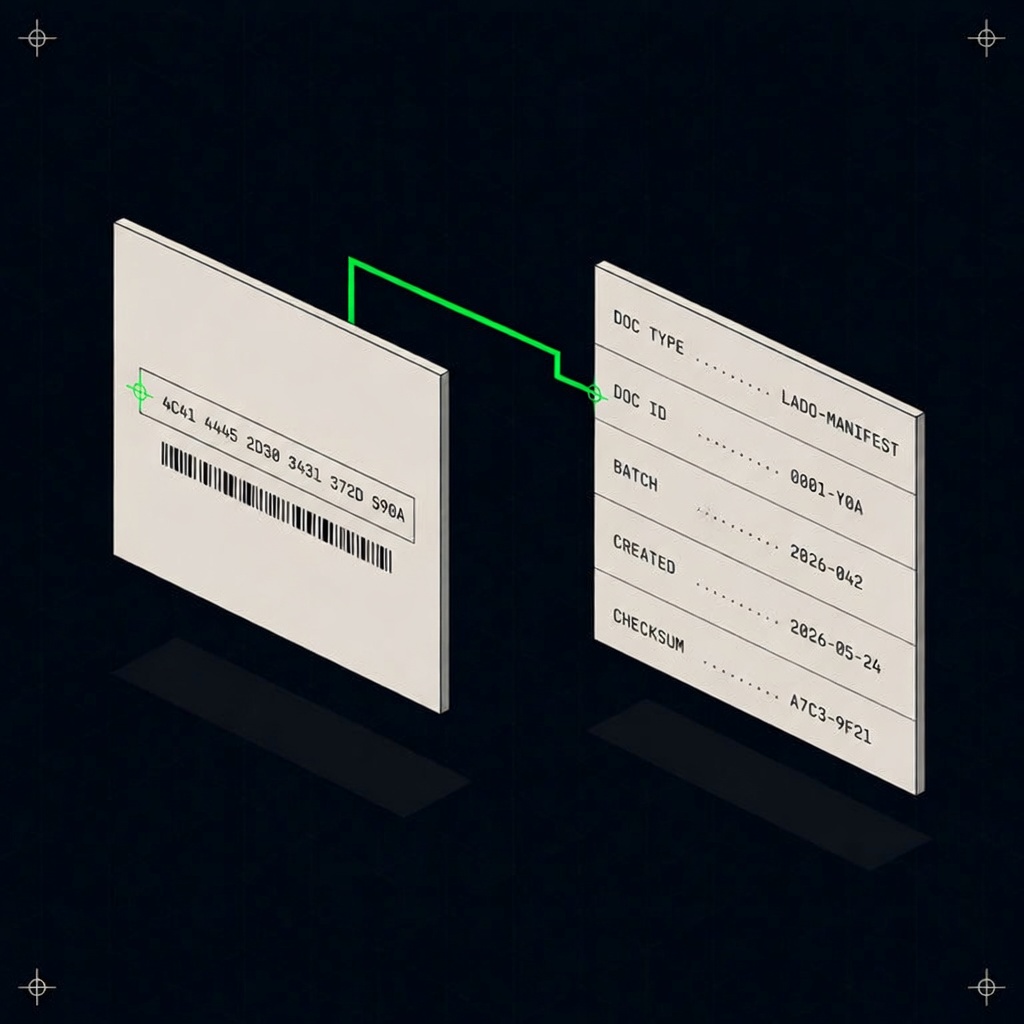
Once a bay closes, its clearing price joins the public ledger of prior bays — the signal the market gets back.
— Every field is a rule. Every rule ships in code.